
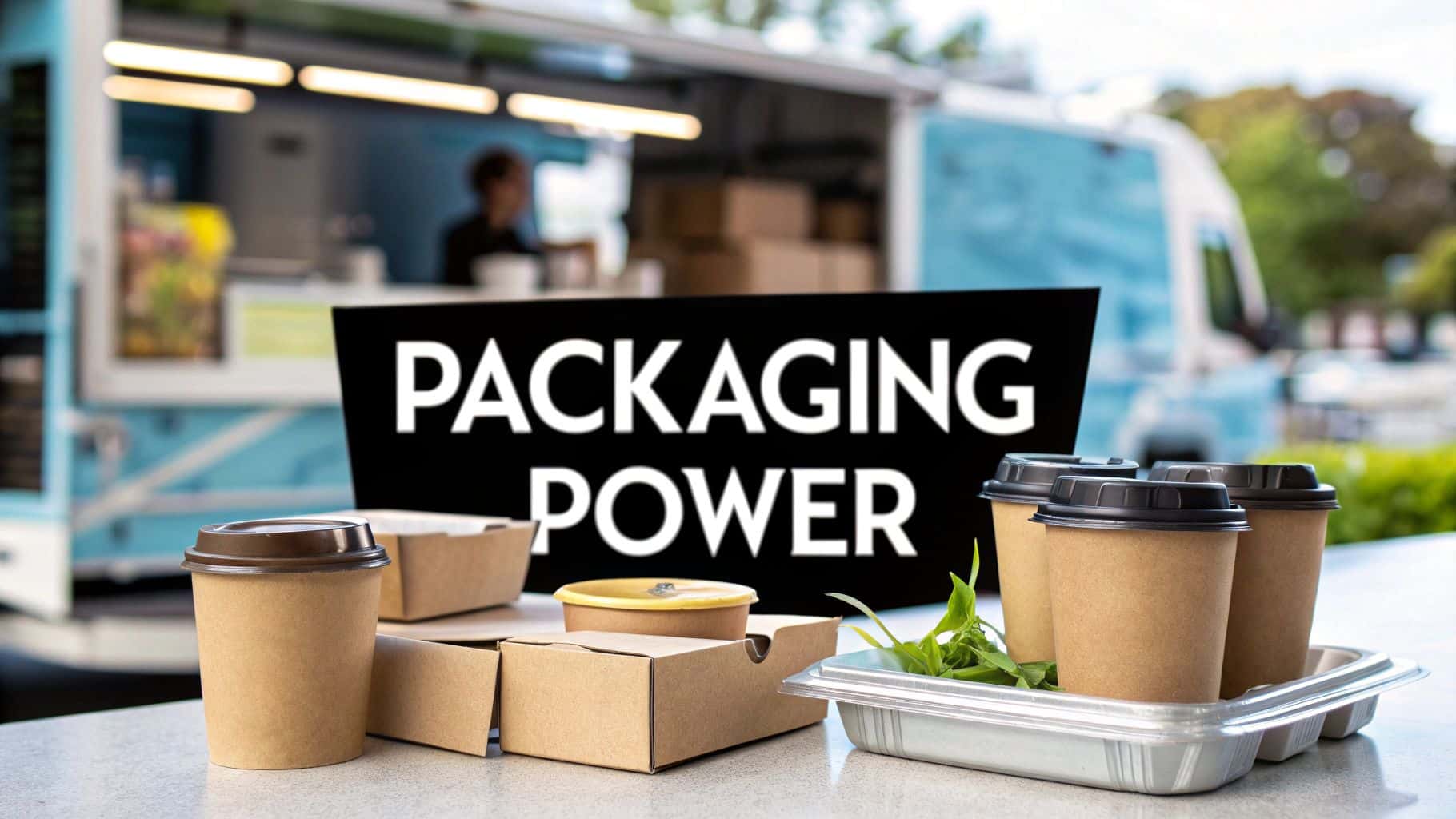
The Evolution of Food Truck Packaging Demands
The food truck scene has dramatically changed. Simple, grab-and-go meals have been replaced by diverse menus featuring sophisticated dishes and unique dining experiences. This shift has directly impacted what customers expect, especially when it comes to food truck packaging. A basic paper bag just doesn’t cut it anymore.
Customers now want packaging that reflects the quality of their food and contributes to a positive brand experience. Food truck owners need to consider packaging as an extension of their brand, not just something to put food in.
Imagine a gourmet burger served in a flimsy styrofoam container. The contrast between the high-quality food and the cheap packaging can negatively impact customer perception. But that same burger presented in premium, eco-friendly packaging elevates the entire experience. This seemingly small detail can significantly influence customer satisfaction and loyalty.
Meeting the Demands of a Growing Market
The increased demand for high-quality food truck packaging isn’t just about changing consumer preferences. It’s also driven by the remarkable growth of the food truck industry. In recent years, the global food truck market has expanded, fueled by urbanization and the rising popularity of mobile food platforms.
Between 2018 and 2023, the market experienced substantial growth. Projections show the market reaching $26.3 billion by 2027, up from $19.4 billion in 2022. This represents a CAGR of 6.2%. This surge in food trucks translates to a greater need for specialized, efficient packaging solutions. More detailed statistics can be found here: Food Truck Industry Trends. This growth also presents logistical hurdles, like managing inventory within a small space. Inventory Reorder Strategies can help address this.
From Practicality to Brand Enhancement
Modern food truck packaging needs to balance several key factors. Functionality is paramount. The packaging must effectively contain the food, prevent spills, and maintain the right temperature. It should also be easy for customers to handle and eat on the go.
Beyond practicality, packaging plays a crucial role in brand building. Thoughtful packaging communicates your brand’s story, values, and personality. It creates a memorable experience customers will want to share, turning your packaging into a powerful marketing tool. This reinforces the idea that food truck packaging isn’t an expense; it’s an investment in your brand’s success.
Choosing Materials That Make or Break the Experience
The right food truck packaging can truly elevate a dish. Conversely, the wrong choice can lead to frustrated customers and compromised food quality. Understanding the nuances of different packaging materials is essential for food truck success. It’s all about a seamless experience, keeping food at its best while reinforcing your brand.
Material Matters: A Deep Dive into Food Truck Packaging
Choosing the right material means balancing several factors. Temperature management is key, especially for hot or cold items. No one wants lukewarm fries or a melted milkshake. Sogginess is another issue, particularly for fried foods or dishes with sauces. The right packaging maintains texture and prevents disappointment.
Durability matters, too. Packaging needs to withstand transport, handling, and on-the-go eating. A flimsy, leaky container creates a messy, unsatisfying experience. Finally, consider the environmental impact. Eco-friendly options are increasingly important to consumers and show your commitment to sustainability.
Balancing Cost and Quality: Where to Invest and Where to Save
Navigating food truck packaging requires smart decisions about cost versus quality. Premium, sustainable options are often more expensive. However, this investment can enhance your brand and attract eco-conscious customers.
You can save in some areas without sacrificing quality. For example, use basic containers for items like condiments or utensils. Learn more in our article about the best types of food trays. But, investing in high-quality packaging for signature dishes creates a memorable experience and justifies a premium price.
Packaging for Every Cuisine: Tailoring Your Approach
Different cuisines have unique packaging needs. Hot, oily foods need packaging that can handle high temperatures and prevent grease from seeping through. Salads and fresh items require breathable containers to prevent wilting.
The table below compares different packaging materials, helping you choose the best fit for your food truck:
To help you choose the right packaging, we’ve put together a comparison table. It details the pros and cons of various materials, focusing on their suitability for different food types:
Food Truck Packaging Material Comparison: Comparing different packaging materials based on cost, durability, sustainability, and suitability for various food types.
| Material Type | Cost Per Unit | Temperature Retention | Eco-Friendliness | Best For Food Types | Storage Efficiency |
|---|---|---|---|---|---|
| Cardboard/Paperboard | Low | Low | Recyclable | Dry foods, sandwiches, pastries | High |
| Bioplastics (PLA) | Medium | Low | Compostable | Cold foods, salads | Medium |
| Bagasse (Sugarcane) | Medium | High | Compostable | Hot foods, bowls | Medium |
| Aluminum Foil | Low | High | Not Easily Recyclable | Hot foods, wraps | High |
| Plastic (PET, PP) | Low | Medium | Not Easily Recyclable | Beverages, sauces | High |
This table highlights the trade-offs between cost, functionality, and sustainability. While cardboard is affordable and recyclable, it’s not ideal for hot or messy foods. Bioplastics and bagasse offer compostable options, but they can be more expensive.
The Future of Food Truck Packaging is Sustainable
The food packaging industry is constantly evolving. Consumer awareness and environmental concerns are driving significant growth in this market. In 2024, this market was valued at $80.04 billion and is projected to reach $108.38 billion by 2029, a CAGR of 6.3%. Find more detailed statistics here: Food Packaging and Processing Industry Growth. This growth underscores the importance of sustainability in the food truck industry.
The following data chart illustrates the projected growth of sustainable packaging materials within the food truck industry between 2025 and 2029:
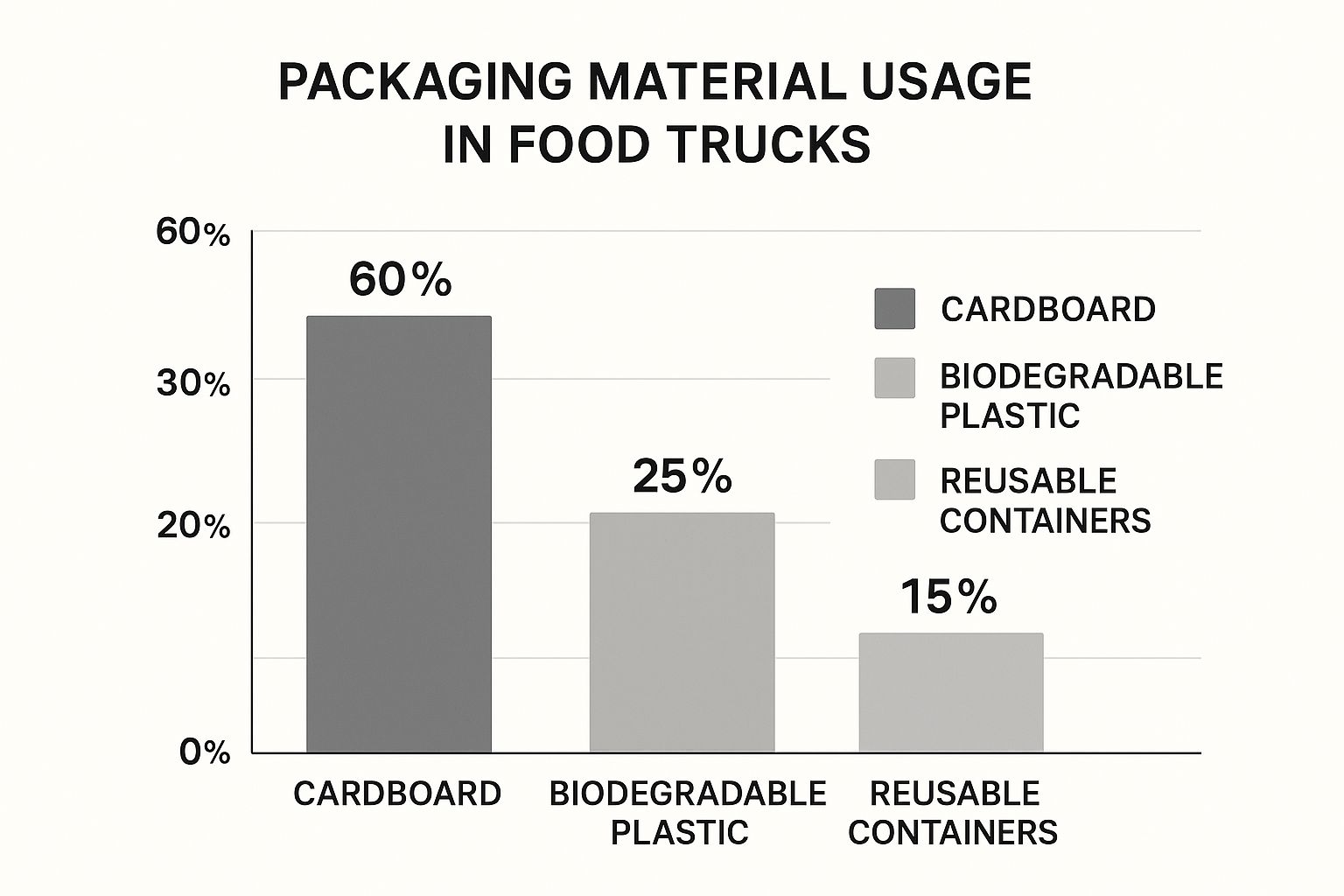
As the chart shows, bioplastics and bagasse are projected to see the highest growth, indicating increased demand for compostable solutions. This chart clearly demonstrates the rising demand for eco-friendly packaging. You might be interested in: How Sustainable Takeout Packaging Evolved. Food trucks that embrace these trends will attract environmentally conscious customers and contribute to a more sustainable future.
Sustainable Packaging That Won’t Break Your Budget
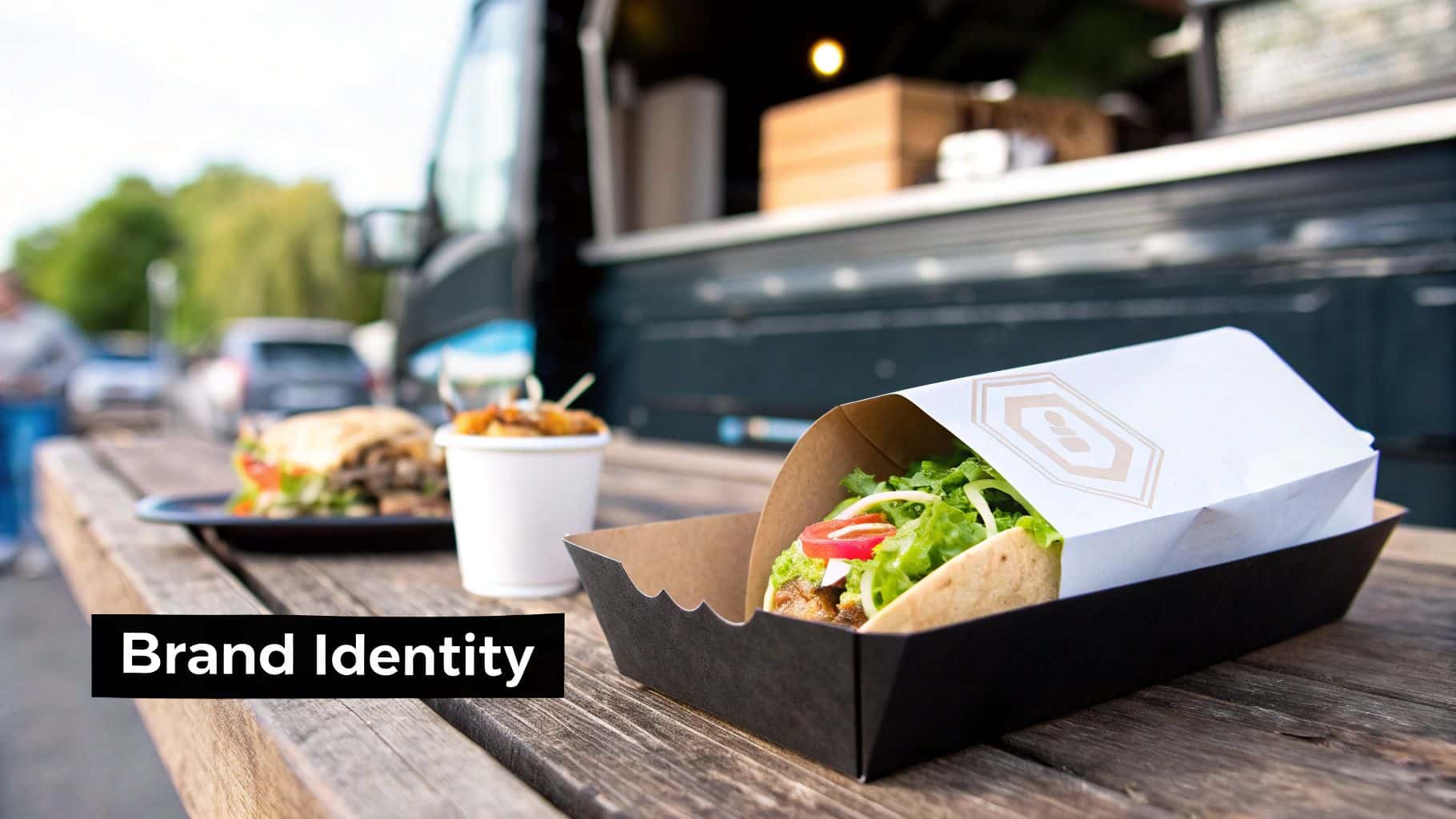
Balancing eco-consciousness with budget realities is a constant challenge for food truck operators. Finding affordable, sustainable packaging can feel overwhelming. But it doesn’t have to be. Smart choices in eco-friendly packaging can actually boost your brand image and even save you money over time.
Eco-Friendly Packaging: Beyond the Buzzwords
The term “eco-friendly” gets thrown around a lot these days. But what does it truly mean for your food truck? It’s about looking beyond the marketing jargon and finding practical, impactful solutions. Compostable containers made from plant-based materials are a fantastic alternative to traditional plastic. Using recycled materials is another way to reduce waste and shrink your environmental footprint. These choices demonstrate a genuine commitment to sustainability, resonating with today’s values-driven customers.
Investing Wisely: Maximizing Returns on Eco-Friendly Choices
While some sustainable packaging options might have a higher upfront cost, they can offer significant long-term benefits. Reusable containers, for example, require a larger initial investment but eliminate the need for constant repurchasing. This not only saves money in the long run but also minimizes waste. Promoting your sustainable practices can also attract environmentally conscious customers, enhancing your brand appeal and potentially driving sales.
Market Trends and Insights
The broader snack food packaging market offers valuable insights into current trends. Valued at $20.8 billion in 2024, this market is projected to reach $32.3 billion by 2034, growing at a CAGR of 4.5%. Despite regulatory pressures, plastic still holds a dominant position. However, food trucks, particularly those focused on gourmet or health-conscious offerings, are increasingly adopting sustainable solutions. This shift is driven by both brand enhancement and evolving environmental regulations. Learn more about market trends: Snack Food Packaging Market Forecast.
Practical Strategies for a Greener Food Truck
Transitioning to sustainable packaging doesn’t have to be a drastic overnight change. Start small. Simple swaps like switching to paper straws or offering discounts to customers who bring their own containers can make a difference.
Learn more: How Sustainable Takeout Packaging Evolved.
Partnering with local composting facilities to handle food waste and compostable packaging creates a closed-loop system, further minimizing your environmental impact. These practical steps can create a more sustainable business model without sacrificing your budget.
Transforming Packaging Into Powerful Brand Ambassadors
Your food truck’s packaging is more than just a container; it’s an extension of your brand. It communicates your story even after the customer has finished their meal. Smart food truck operators recognize this, turning ordinary takeout containers into memorable experiences. This encourages social media sharing and, crucially, repeat business. Investing in the right packaging isn’t just practical; it’s a strategic marketing investment.
Creating Packaging Worth Sharing
How do you create packaging that customers want to share on social media? It begins with knowing your audience and reflecting your brand’s personality in your packaging design. A bright, colorful design might work well for a food truck specializing in fun, festival food. Meanwhile, a minimalist, eco-friendly design might better suit a health-conscious brand.
For food trucks aiming to minimize their environmental footprint without significant expense, sustainable promotional items can be a great option. Consider adding interactive elements like QR codes linking to your social media or offering discounts to boost engagement and loyalty.
Customization Options For Every Budget
Custom packaging doesn’t have to be expensive. There are affordable solutions for all budgets. Simple branded stickers can add personality to plain containers. Custom-printed boxes and wrappers create a more premium feel. This lets even smaller food trucks establish a unique brand identity. The table below shows the potential return on investment (ROI) for different customization levels.
To help you evaluate the costs and benefits of different approaches, we’ve put together an ROI analysis:
| Customization Level | Initial Investment | Implementation Complexity | Marketing Value | Customer Perception Boost | Recommended For |
|---|---|---|---|---|---|
| Branded Stickers | Low | Low | Moderate | Low-Medium | Starting businesses, limited budgets |
| Stamped Logo | Low-Medium | Low | Medium | Medium | Simple branding, cost-effective upgrade |
| Custom-Printed Wrappers | Medium | Medium | High | High | Established brands, premium offerings |
| Fully Custom-Printed Boxes | High | High | Very High | Very High | High-end brands, strong brand identity |
As you can see, even small investments in custom packaging can yield significant returns in terms of marketing value and customer perception.
Extending The Brand Experience
The brand experience shouldn’t end when the customer leaves. Encourage social sharing by prominently displaying your social media handles on your packaging. Consider contests or giveaways that incentivize customers to post photos of their meals.
Learn more about building your brand with packaging.
Include small extras like stickers or thank-you notes to create a personalized touch and foster stronger relationships. These small gestures can turn one-time customers into loyal advocates, generating valuable word-of-mouth marketing and driving repeat business.
Navigating the Food Safety Compliance Maze
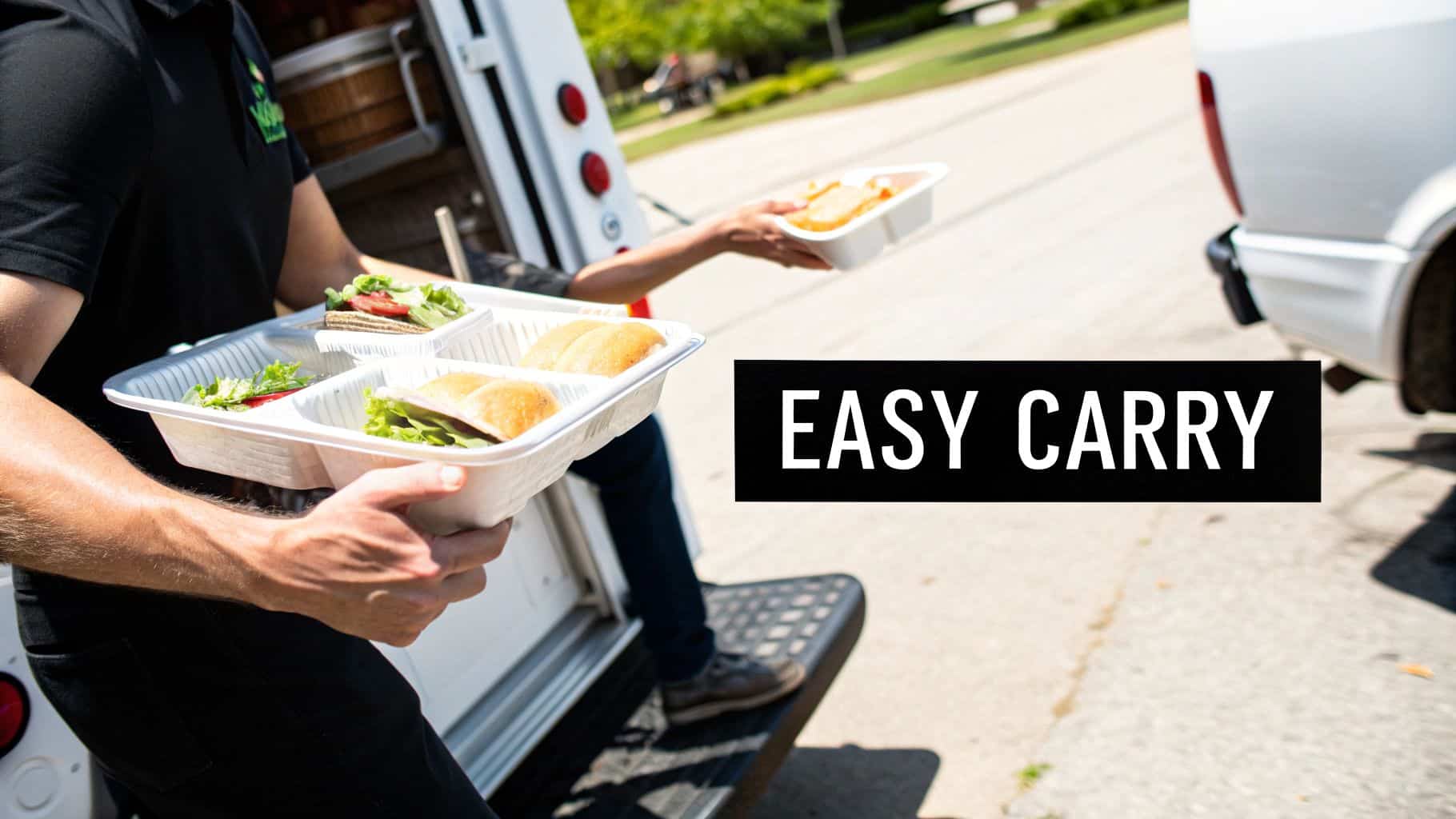
Food safety is crucial for any food business. For food trucks, the unique challenges go beyond simply avoiding fines. It’s about building customer trust and protecting your hard-earned reputation. This section explores the regulations and offers practical advice for maintaining a safe and compliant food truck, focusing on the vital role of packaging.
Understanding the Regulatory Landscape
Food trucks navigate a complex regulatory environment. Local health departments enforce specific rules for food handling, storage, and packaging. These regulations vary regionally, so understanding your area’s specific requirements is essential. Staying informed and compliant is key to avoiding penalties and keeping your license.
This proactive approach demonstrates your commitment to customer safety and builds community trust. By prioritizing compliance, you’re not just following the rules, you’re building a brand known for its integrity.
Temperature Control and Cross-Contamination
Maintaining proper temperature control in a food truck’s limited space can be tough. Using insulated food truck packaging for hot and cold items is vital. It prevents bacterial growth and maintains food quality. Smart packaging also helps prevent cross-contamination.
Using separate containers and utensils for different food types minimizes allergen spread. This protects vulnerable customers and showcases your dedication to a safe dining experience. Every detail matters when it comes to ensuring your food is both delicious and safe.
Allergen Management: Protecting Vulnerable Customers
Food allergies are a serious concern. A robust allergen management system is essential. Clearly label all packaged foods with ingredients and potential allergens. Training your staff to handle allergen inquiries and avoid cross-contamination during preparation and packaging is also crucial.
These measures protect your customers and limit your liability. Taking these steps demonstrates a true commitment to customer well-being and builds confidence in your brand.
Training Your Team: The Key to Consistent Safety
Consistent food safety relies on a well-trained team. Regular training on food handling, packaging procedures, and allergen awareness ensures everyone follows the same protocols. This consistency builds a culture of safety and minimizes errors that could compromise customer health.
Empowering your staff with knowledge and skills protects both your customers and your business. Investing in training is an investment in the long-term success of your food truck.
Staying Ahead of the Curve: Future-Proofing Your Operations
Food safety regulations are constantly evolving. Staying informed about emerging trends and best practices is essential for your food truck’s future. Attending industry conferences, subscribing to relevant publications, and connecting with local health inspectors helps you anticipate changes and adapt proactively.
This forward-thinking approach keeps you ahead of the curve. It demonstrates your commitment to the highest safety standards, a significant advantage in a competitive market.
Mastering Inventory in Minimal Space
Operating a food truck presents unique inventory management challenges. Every square inch is precious, and efficient organization is essential. Running out of food truck packaging during a rush is a nightmare, while overstocking leads to wasted space and spoilage. This section explores optimizing your limited storage.
Clever Storage Solutions for Tight Spaces
Think vertically. Maximize wall space with shelves and racks. Use stackable containers for items like cups, lids, and napkins. Store bulkier items like boxes and bags under the counter. Consider clear containers for quick stock level assessments.
- Vertical Shelving: Wall-mounted shelves are ideal for frequently used items.
- Stackable Containers: Opt for clear, stackable bins for easy visibility.
- Under-Counter Storage: Use under-counter space for bulk items.
- Label Everything: Clear labels speed up restocking and prevent confusion.
Forecasting Your Packaging Needs
Accurately predicting packaging needs minimizes waste and shortages. Your menu is key: different items require different packaging. A burger needs a box, while a salad might need a container and lid.
Consider event types and seasonal changes. Festivals mean higher demand. Seasonal menus require different packaging. You might need soup containers in winter and ice cream cups in summer. This flexibility helps adjust inventory based on demand.
Building Strong Supplier Relationships
Reliable suppliers are essential. Develop strong relationships with your packaging suppliers. Open communication ensures timely deliveries and helps manage unexpected demand. Discuss your storage limitations. Suppliers may offer flexible delivery schedules or smaller packaging quantities. A strong supplier partnership is crucial.
Contingency Planning for the Unexpected
Even with planning, unexpected rushes happen. A contingency plan is key. Identify a backup supplier. Keep a small reserve of essential packaging off-site. This reserve can prevent costly service disruptions.
Simple Inventory Tracking That Works
A simple inventory system prevents stockouts and minimizes waste. Use a spreadsheet or an inventory app like Sortly to track stock levels. Regularly update your inventory after every event or shift. This identifies trends and informs ordering decisions. Efficient inventory management balances supply and demand, even in small spaces.
For food truck packaging and inventory optimization advice, visit MrTakeOutBags.com. They offer a wide selection of high-quality, eco-friendly packaging and personalized consultations.



Comments are closed.